
What is Presbyopia (Age-Related Farsightedness)?

Presbyopia, a common issue in eye health, becomes particularly noticeable with advancing age. Medically known as presbyopia, this condition arises from the eye's reduced ability to focus on near objects. As the eye lens loses its flexibility with age, it becomes difficult to read text up close, look at phone screens, or discern small details. This condition is typically felt from the 40s onwards and can progress over time. Presbyopia is not solely limited to aging; excessive screen time, inadequate lighting, and genetic factors can also trigger this problem. Early detection of this condition, which affects daily quality of life, is crucial for maintaining eye health. For information and to ask your questions, you can explore relevant online companies on web pages and conduct a detailed review from there.
Symptoms and Causes of Presbyopia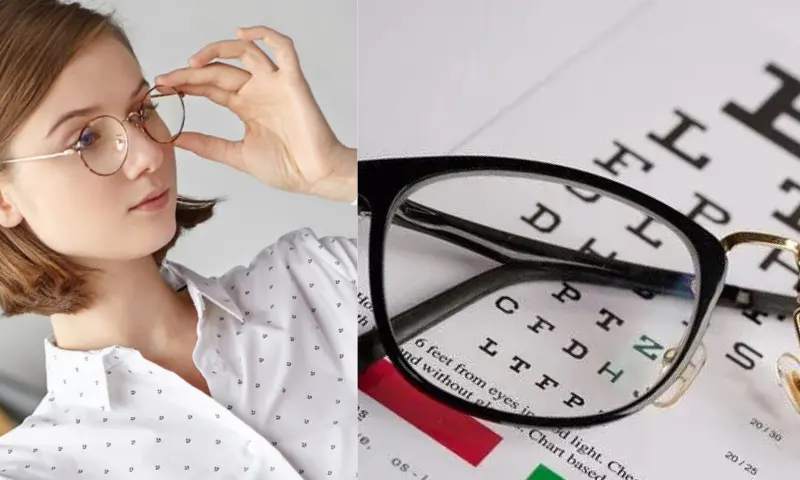
The most common symptom of presbyopia is the need to hold reading material or phones further away from the eyes to focus on near text. Other common symptoms include eye strain, headaches, blurred vision, and a stinging sensation after prolonged close work. The primary cause of presbyopia is the hardening of the eye lens and the weakening of its focusing ability. Additionally, long hours spent looking at computer or phone screens, the use of incorrect eyeglasses, poor lighting conditions, and certain health problems can exacerbate this condition. Particularly, the increasing use of digital screens today has led to a rise in the frequency of near vision problems even at younger ages. Therefore, consulting an ophthalmologist when symptoms appear is the most appropriate step.
Treatment Methods and Preventive Measures for Presbyopia
Presbyopia can be easily managed with appropriate treatment methods. The most commonly used methods involve reading glasses or prescription reading glasses. Some individuals opt for bifocal or progressive lenses that support both distance and near vision. Contact lens options are also available. Surgical interventions are an alternative solution for suitable patients, with methods such as laser treatments or lens replacement being applicable. Furthermore, to protect eye health, regular eye check-ups, taking breaks from screen use, and practicing the 20-20-20 rule are important: looking at something 20 feet away for 20 seconds every 20 minutes relaxes the eye muscles. Adjusting lighting correctly, using glasses with blue light filters, and using lubricating eye drops can also improve quality of life. With the right precautions, presbyopia does not have to be a major problem in daily life.