
What is Hazardous Waste
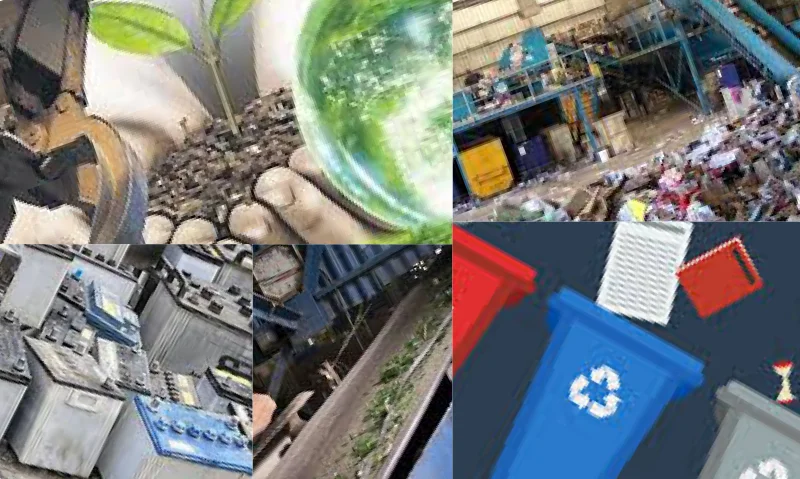
Substances Classified as Hazardous Waste
Any substance resulting from production or consumption, whose useful life has expired or is unused, is called waste. If waste is to be generally classified, it can be classified as hazardous waste and non-hazardous waste. Hazardous wastes, as the name suggests, are wastes that are significantly harmful to humans and the environment. You can visit companies on internet pages for detailed information about hazardous waste.
Examples of Hazardous Waste
Hazardous waste includes wastes that have carcinogenic properties, contain explosive or flammable substances, or are corrosive and irritating. This type of waste poses a risk to the environment and human health. It generally consists of waste from mining and oil production facilities, domestic waste, and treated or untreated sludges. The composition of the waste, the amount of its components, the chemical effects of these components, their physical states, how long they remain in the environment, and their effects on the environment influence their hazardous nature. Paint cans, oil cans, chemical cans, rags, fabrics, etc. contaminated with hazardous substances such as oil, varnish residues, solvents, batteries, accumulators, and many other substances fall into the hazardous waste class. The correct collection of these substances at the source is the responsibility of hazardous waste management. Since hazardous wastes cause significant harm to the environment, the disposal of these wastes must be carried out within the framework of the principles and rules specified in the Waste Management Regulation.