
What is a Smart Home System?

A smart home system is a modern living solution that allows devices within a home to be controlled through the internet and automation technologies. Lighting, heating-cooling, security cameras, door locks, curtain systems, and electrical appliances can be managed from a single center with smart home systems. This control is provided via mobile phones, tablets, or voice commands. The smart home system aims to simplify users' daily lives and increase living comfort. The ability to remotely access systems even when not at home makes this technology very attractive. With the advancement of technology today, smart home systems are seen not just as a luxury but also as a functional necessity. For information on this topic and to ask your questions, you can look at related online companies on web pages and review them in detail.
Advantages Provided by Smart Home Systems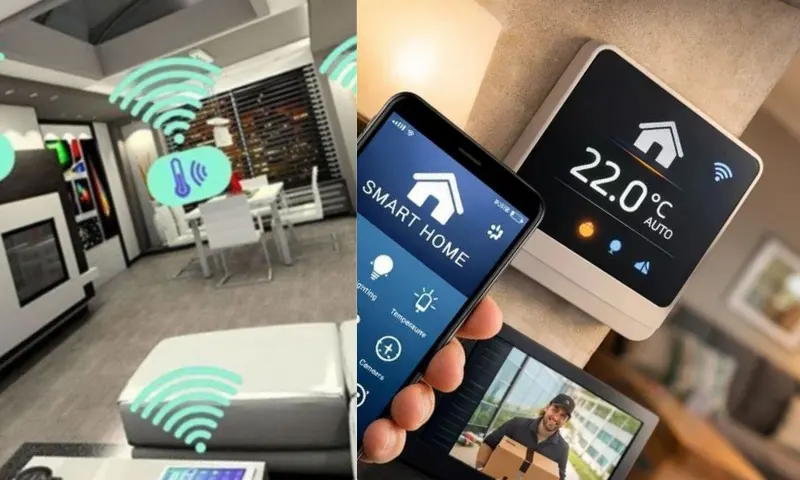
One of the biggest advantages of smart home systems is the comfort they provide. Lights turning on and off automatically, the ideal room temperature being set in advance, and curtains moving at specific times greatly simplify daily life. This automation provides significant time savings, especially for people with busy lifestyles. Energy efficiency is also among the prominent benefits of smart home systems. Savings are achieved on electricity and natural gas bills by preventing unnecessary energy consumption. The operation of heating and lighting systems according to needs offers both environmentally friendly and economical usage. The smart home system also plays an important role in terms of security. Thanks to motion sensors, smart locks, and camera systems, the home can be kept under control at all times. Receiving instant notifications in case of potential risks creates a secure living space.
What to Consider When Choosing a Smart Home System?
When choosing a smart home system, the needs must first be correctly identified. The same system may not be suitable for every home and user. Different solutions should be preferred based on priorities such as security, energy saving, or comfort. System compatibility is also an important issue to consider. Choosing products that are compatible with the existing home infrastructure simplifies the installation process. Furthermore, the system being updatable and expandable provides an advantage for long-term use. Finally, technical support and reliability should be taken into account. A quality smart home system makes a difference with its smoothly functioning software and hardware support.