
Stomach Cancers
Symptoms of Stomach Cancer
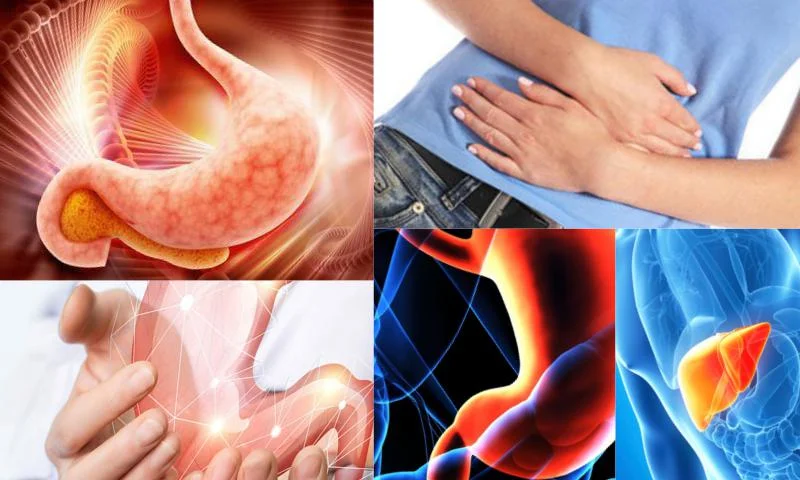
Stomach cancer is the most common oncological disease after lung cancer. It continues to be important because it can be partially prevented. Although stomach cancer develops for various reasons, the most important cause is gastritis, which develops due to a bacterium called Helicobacter Pylori. Stomach cancers are a stealthy disease, and its symptoms appear in advanced stages. You can visit the page for detailed information. The symptoms of the disease can also vary depending on the region where the cancer cells form and the stage of the cancer. Knowing the preliminary symptoms of stomach cancers is important for the diagnosis and treatment of the disease. Stomach cancer is a disease that does not show symptoms in the early stages and shows symptoms in the advanced stages. Moreover, even if the stomach shows symptoms, patients may not pay attention to the symptoms because they are similar to the complaints of diseases such as gastritis. Stomach cancer symptoms include weight loss, abdominal pain, nausea and vomiting, loss of appetite, difficulty swallowing, bleeding, and ulcer-like pain.
Diagnosis Methods for Stomach Cancer
Early diagnosis is very important for the treatment of stomach cancer. If you are experiencing stomach problems, your stomach should be monitored with endoscopy. During endoscopy, your doctor can see your esophagus, stomach, and the first parts of your small intestine. In addition, contrast radiography and computed tomography are diagnostic methods for stomach cancers. In advanced examinations, tests such as laparoscopy, MRI, PET-CT, and kidney ultrasound may be performed. After a diagnosis of stomach cancer is made, the treatment is determined according to the type of cancer. In general, one of the best treatments for stomach cancers is surgical operation. It is of great importance to completely remove the tumor that causes cancer. In early-stage stomach surgeries, part or all of the patient's stomach may be removed. When the entire stomach is removed, a new stomach is made from the intestine, and the patient can continue their life normally. A diet requiring eating small amounts frequently is applied.