
Definition and Purpose of Stomach Reduction Surgery
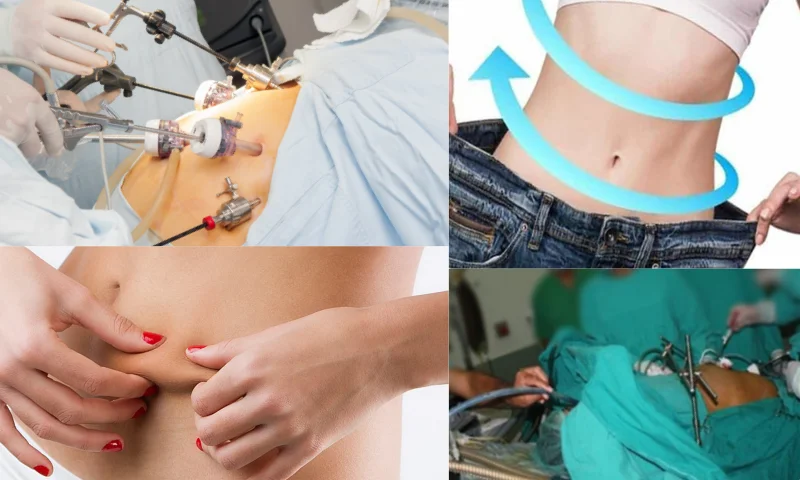
Stomach reduction surgery is a surgical method used in obesity treatment. In this procedure, the volume and capacity of the stomach are reduced, thereby decreasing a person's food intake and digestion. This way, the person consumes less food and feels full faster, accelerating the weight loss process. The purpose of stomach reduction is to achieve long-term and sustainable weight loss in overweight or obese individuals. Excess weight can lead to various health problems, making obesity treatment important. While stomach reduction surgery is an effective method in combating obesity, it requires serious evaluation beforehand as it is a surgical procedure. For information on this topic and to ask your questions, you can look at the relevant online firms on internet pages and examine them in detail from there.
Methods and Risks of Stomach Reduction Surgery
Stomach reduction surgery can be performed using different methods. The two most common methods are:
- Sleeve Gastrectomy (Tube Stomach): In this method, a large part of the stomach is cut out, leaving a tube-shaped stomach. This tube stomach has a smaller capacity and allows for less food intake.
- Gastric Bypass (Stomach Bypass): In this method, a small part of the stomach is rendered unusable, and by directly connecting to a part of the intestines, some nutrients are bypassed from the stomach. This reduces both stomach capacity and nutrient absorption.
Stomach reduction surgery is usually performed as laparoscopic surgery, which is a less invasive method and shortens the recovery period. However, like all surgical procedures, stomach reduction surgery also carries some risks. These include risks such as infection, bleeding, problems at the incision sites, nutrient deficiencies, and rarely, complications arising from anesthesia.
Candidates for Stomach Reduction Surgery and Aftercare
Suitable candidates for stomach reduction surgery are individuals who have a serious obesity problem and have not achieved successful results with other weight loss methods. Individuals considering surgical intervention should first be evaluated by an obesity specialist or surgeon to determine if they are suitable candidates. After stomach reduction surgery, it is important to make significant changes to eating habits and exercise regularly. Following the guidance of dietitians and health professionals after surgery is critically important for long-term weight control. Stomach reduction surgery is an effective method for combating obesity, but it may not be suitable for everyone. Therefore, it is important to seek medical advice and carefully evaluate the risks and benefits before deciding on stomach reduction surgery. Regular follow-up and a healthy lifestyle after the procedure are important steps to achieve successful results.