
Waterproofing Materials
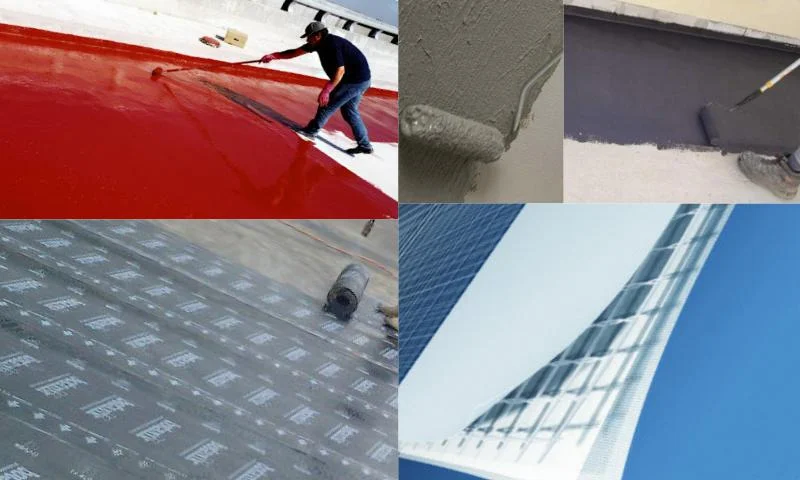
What are Waterproofing Materials?
Waterproofing is essential to extend the life of buildings and lead a more comfortable life. Mold caused by moisture spreads bad odors to the environment. By waterproofing, you can prevent bad odors, bacteria, and therefore moisture from spreading to the environment. You can get detailed information from companies on internet pages.
Quality and Importance of Waterproofing Materials
There are some materials used when making water investment. We can list them as follows. All waterproofing materials are divided into three main groups within themselves. These are natural asphalts, petroleum asphalts, and tars. Epoxy waterproofing materials are epoxy, a chemical adhesive resin. Cement waterproofing materials use cement as a binding material. Cements used for waterproofing materials are also divided into 4 types. These are; Portland cement, blast furnace slag cement, pozzolanic cements, and blended cements. Rubber waterproofing materials are used in correcting shape deformations. Siloxane waterproofing materials have properties such as elastic balance, dynamic elasticity, permeability, heat resistance, weather resistance, film-forming ability, and hydrophobic behavior. Acrylic waterproofing materials are used in these fine areas due to their transparent appearance. Polymer waterproofing materials, polymers are used in the insulation sector with their high strength. Membranes are known for their separating or waterproof properties. There are types such as sheet membranes, liquid membranes, and spray membranes. The material to be used during waterproofing should be suitable for both the building and the standards. Otherwise, sufficient efficiency will not be achieved.