Transferring Antiques and Artworks with Plywood Crates
Acid-Free Solutions in Plywood Crate Insulation
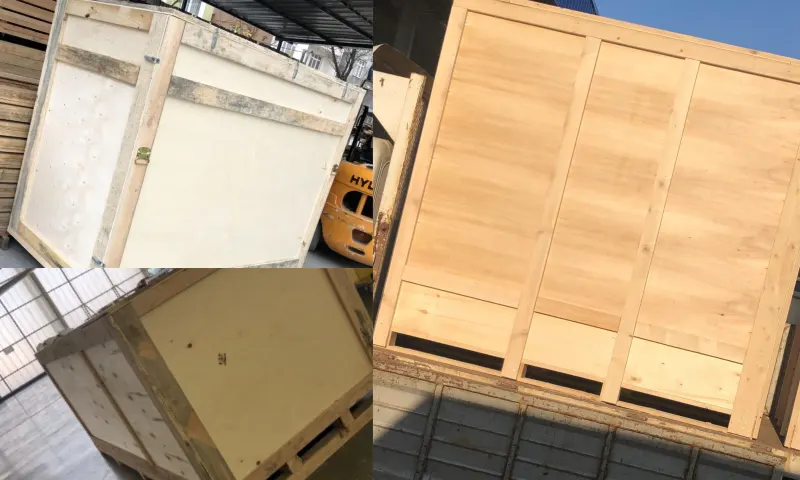
How does a Plywood Crate stop the wear and tear of time when transporting a centuries-old antique furniture piece or an invaluable historical sculpture to overseas auctions? Altintas Ahşap Ambalaj manufactures high-security closed-loop systems that provide both micro-climate control and complete shock absorption from external impacts for museums and major collectors. You can examine in detail how these silent and flawless guardians of art history are engineered at https://www.altintasambalaj.net/urunlerimiz/kontrplak-sandik/. Even a microscopic crack caused by shipping on a valuable artwork means a direct loss of millions of dollars in value. Unlike standard woods, Plywood Crate sheets do not exhibit dangerous physical reactions like expansion or contraction due to humidity and temperature changes, which could directly damage the artwork. The stable stance of the outer packaging, which does not flex inside a cargo plane transitioning from a tropical climate to a freezing geography, completely prevents the canvas inside from stretching. This unique stable structure detaches the insulated atmosphere where the artwork is housed from the outside world, creating a safe haven within.
The Impact of Choosing Plywood Crates on Cultural Heritage
The interior walls of the Plywood Crate are completely covered with acid-free materials and neutral pH barriers, forming a complete chemical shield to prevent any reaction with the artwork's sensitive chemistry. The use of binders in the wood panels that do not emit odors or gases preserves the authentic texture and color pigments of the artwork trapped inside. This internal atmospheric management is the most critical part of the logistics process that can never be left to chance, especially for oil paintings a century old. Special shock-absorbing blocks at the base of the Plywood Crate eliminate the shock of gravity in mid-air before it reaches the artwork, whether the plane encounters turbulence or the transfer vehicle drives on a bumpy road. The artwork is carefully placed within an insulated suspension network, almost floating in the air inside, rather than coming into direct contact with the panels. Even a possible hard impact from a forklift blade from the outside can never penetrate thanks to the superior resistance of the cross-laminated panels. The security of a Plywood Crate is the invisible yet most vital cultural bridge that ensures unique artworks are perfectly passed down from generation to generation. The destruction of a piece repaired by the world's most skilled restorers in a matter of hours due to a poorly chosen packaging is a great tragedy for the art community. A successful and damage-free delivery is not just a commercial transaction between you and the gallery, but a profound act of respect for human history. Every artwork protected with a Plywood Crate whispers that it is completely safe inside until its magnificent unveiling at the gallery it will adorn. The real protectors of these pieces, secured by insurance companies with multi-million dollar policies, are not those papers, but the physical armor that envelops them. Do the invaluable cultural heritages you send with great hope to a global exhibition possess an invincible protection that will ward off the potential disasters that could befall them on the way?