
Starting to Play the Violin: Basic Techniques and First Steps
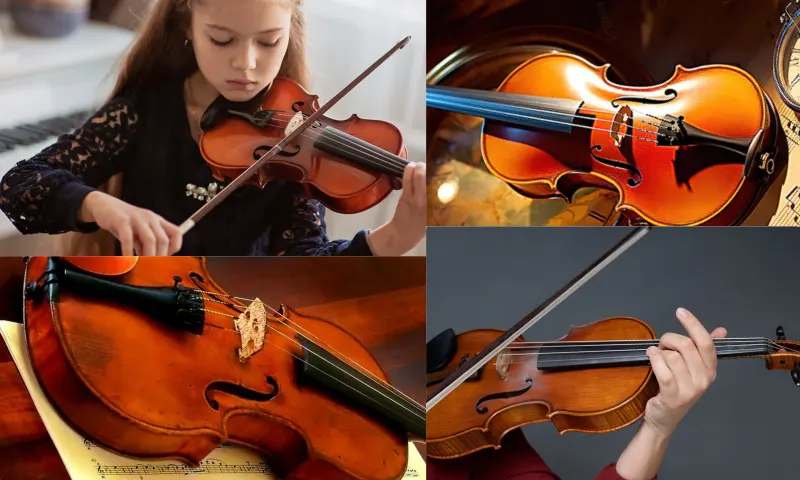
The violin, an elegant and emotional instrument used in a wide range of genres from classical music to jazz, requires a solid foundation in its initial stages of learning. The first step involves familiarizing oneself with the instrument and mastering basic techniques. Correct posture and bow hold are paramount, ensuring clear and accurate intonation. Furthermore, students focus on controlling bow movements through common techniques like "detache," "legato," and "staccato." Finger placement and note-reading skills are also developed during this phase. Learning the fundamentals of violin playing facilitates the smoother and more accurate execution of advanced techniques. For information and to ask any questions you may have, you can explore relevant online firms on web pages and conduct a detailed review from there.
Developing Skills: Repertoire and Advanced Techniques
In the second stage of violin education, students build upon their foundational skills, delving into more complex techniques and a broader repertoire. This phase focuses on advanced techniques such as arpeggios, double stops, vibrato, and shifts in hand position. Students also begin to expand their repertoire by playing pieces from various musical genres. Famous violin works from different periods help students refine their technique and develop their musical expression. Working with a teacher during this stage is crucial for proper guidance and consistent feedback. Students start to develop their personal style and explore the vast musical possibilities the violin offers.
Performance and Musical Expression: Preparing for the Stage
In the advanced stages of violin education, students concentrate on stage performance and musical expression. This phase offers students the opportunity to showcase their technical skills and convey musical emotions. Stage performance enhances a violinist's confidence and develops their ability to connect with the audience. Students are also taught pre-performance and post-performance preparation processes, including overcoming stage fright and optimizing their performance. Becoming a proficient violinist requires not only technical mastery but also the ability to feel the music and communicate it to the audience. At this stage, students learn to be comfortable on stage and discover how to best express their emotions through the violin. Violin education is a rich process, both technically and emotionally. Building the right foundations, practicing consistently, and feeling the music from the heart are the keys to becoming a successful violinist. Playing the violin is a lifelong journey of learning and discovery.