
The Basic Stages of Scuba Diving Training

Scuba diving training is an essential process for those who want to explore the fascinating beauty of the underwater world. The training generally consists of three main stages: theoretical knowledge, pool sessions, and open water dives. In the theoretical knowledge stage, diving candidates receive training on subjects such as underwater physics, effects of pressure, equipment usage, safety protocols, and emergency procedures. This knowledge is critical for ensuring safety and effectiveness during a dive. The second stage, pool sessions, is a practical process where candidates develop their underwater breathing, equipment use, and basic diving skills. These training sessions in the pool allow candidates to get used to the water and gain self-confidence. The final stage involves open water dives. In this stage, candidates have the opportunity to apply their theoretical and practical knowledge by diving in a real marine environment. These dives, conducted under the supervision of an instructor, are necessary for candidates to obtain certification. For information on this subject and to ask your questions, you can look at the relevant online companies on internet pages and review them in detail.
Health and Safety Protocols in Scuba Diving Training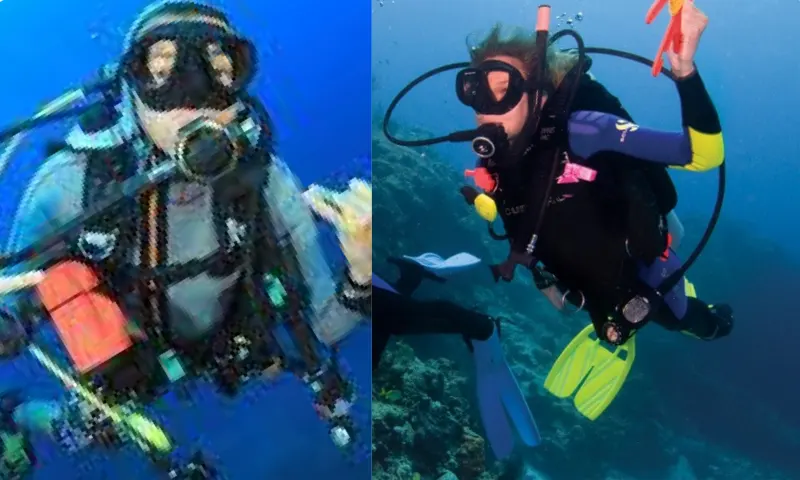
Scuba diving training includes strict protocols to ensure the health and safety of participants. Firstly, it is mandatory for diving candidates to undergo medical examinations. These examinations are necessary to prevent potential health problems that may arise during a dive. In particular, individuals with respiratory or circulatory system related conditions must obtain doctor's approval before diving. During training, detailed information is provided on the correct use and maintenance of underwater equipment. The correct use of equipment is vital for diving safety. In addition, safety rules and emergency procedures to be followed during a dive are also taught. These rules include the buddy system, dive planning, underwater communication, and emergency ascent techniques. Adherence of diving candidates to these protocols ensures that their diving experiences are safe and enjoyable.
Certification and Career Opportunities in Scuba Diving Training
Candidates who successfully complete scuba diving training receive internationally valid certifications. These certifications are categorized according to different diving levels and document the diver's competencies. The most common entry-level certification is the Open Water Diver certificate. Divers with this certification are authorized to dive up to certain depth limits worldwide. Advanced training includes certifications such as Advanced Open Water Diver and Rescue Diver. At these levels, divers can make deeper dives and perform more complex underwater tasks. For those who want to pursue a professional career, there are advanced certification programs such as Dive Master and Instructor. These programs equip divers with leadership and teaching skills. Certified divers can work at dive centers, engage in underwater photography, or participate in scientific research. Scuba diving training offers various opportunities, both as a hobby and as a professional career.