
Definition and Responsibilities of Captaincy
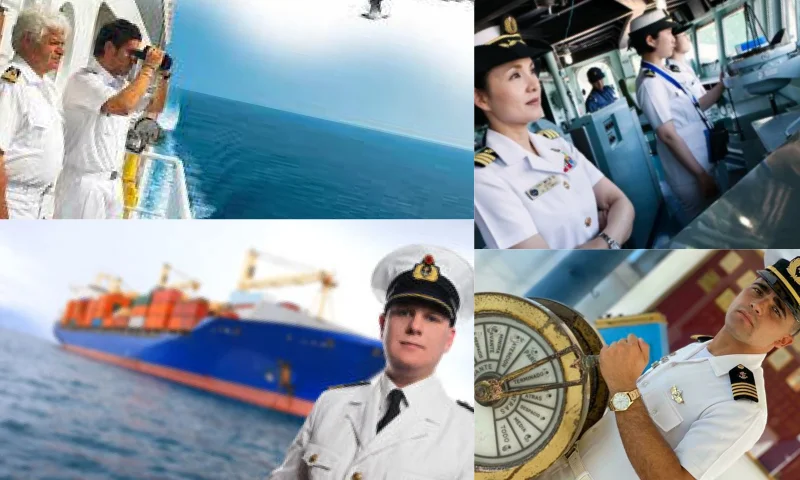
Captaincy is the title of the person responsible for the management and safety of a ship or marine vehicle in the maritime sector. Ensuring the safe navigation of a ship and guaranteeing the safety of passengers and crew are among the captain's primary responsibilities. The captain holds an authoritative and responsible position regarding aspects such as the ship's navigation, route, speed, and the management of the ship's crew. For information on this subject and to ask your questions, you can refer to the relevant online companies on web pages and examine them in detail.
Requirements and Skills of the Captaincy Profession
The captaincy profession is a prestigious occupation that requires serious education and experience. To become a captain, one must be educated from maritime schools or maritime academies. Maritime education typically covers subjects such as ship management, navigation, maritime safety, and ship machinery. Captaincy requires qualities such as leadership skills, communication ability, problem-solving capability, and crisis management. Furthermore, it is important to be knowledgeable about maritime laws, understand maritime terminology, and possess in-depth knowledge of ship management.
The Career Path and Importance of Captaincy
Captaincy is considered a career path with high prestige and an important role in the maritime sector. In addition to ship management, a captain also manages the ship's navigation planning, weather monitoring, emergency management, and port operations. The captain communicates with the ship's owner or operator, makes decisions, and coordinates the crew. The captain is critically important for the safety of the ship and its crew. The maritime sector is a large part of global trade, and therefore, the correct and safe management by the captain is vital for the efficiency and safety of maritime transport. In conclusion, captaincy is a prestigious profession that undertakes the highest level of responsibility for ship management in the maritime sector. Becoming a captain requires serious education and experience, and this profession demands various skills such as leadership, communication, and problem-solving. The captain's duty to ensure the safety of the ship and crew plays a critical role in the safe and efficient operation of maritime transport.