
What is Skin Peeling?
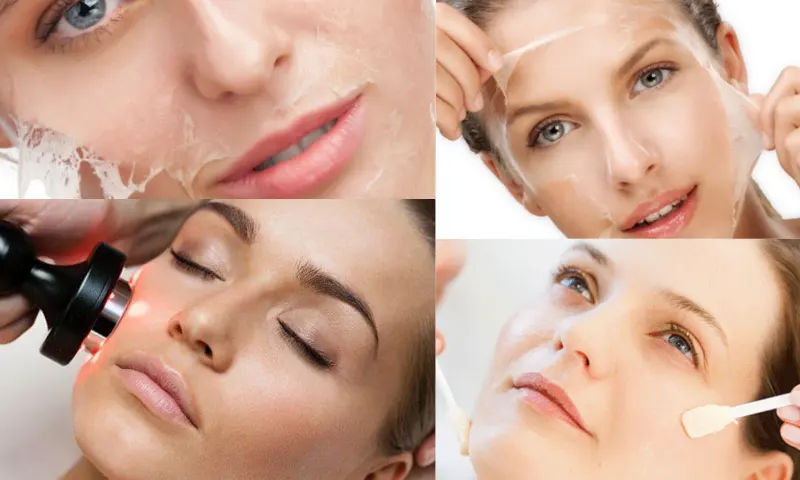
Skin peeling is a skincare procedure that helps reveal a renewed and healthier skin structure by mechanically or chemically peeling off the top layer of the skin (epidermis). This process helps to cleanse dead skin cells, dirt, oil, and other impurities from the skin. Skin peeling is especially preferred for evening out skin tone and reducing acne scars and fine lines. Skin peeling is generally performed using three main methods: chemical peeling, mechanical peeling, and laser skin resurfacing. Each method can be adapted to different skin needs and may be suitable for different skin types. While chemical peeling is done by applying chemical solutions to the skin, mechanical peeling is the physical removal of the skin's top layer. Laser peeling, on the other hand, provides a deeper renewal by affecting the skin's lower layers. You can look at relevant online companies on web pages to get information on this subject and ask your questions, and examine them in detail from here.
Benefits of Skin Peeling
Skin peeling offers many benefits and is considered an important step in skincare. Some of these benefits include:
- Skin Renewal: Skin peeling removes dead skin cells and allows new, healthy cells to emerge. This makes the skin look fresher, brighter, and younger.
- Reduction of Acne and Blemishes: Cleansing excess oil and dirt from the skin prevents acne formation. Additionally, acne scars, sun spots, or pigmentation problems caused by aging can gradually diminish with skin peeling.
- Evening Out Skin Tone: Skin peeling helps to balance the skin's color tone. This gives the skin a more uniform appearance.
- Elimination of Fine Lines: Skin peeling can reduce the appearance of fine lines and wrinkles on the skin's surface. This is an ideal solution for those who want to slow down the effects of aging signs.
Considerations for Skin Peeling
Although skin peeling is generally safe, it is important to perform it correctly and choose a method suitable for your skin type. There are a few important factors to consider before and after the procedure:
- Choosing a Method Suitable for Skin Type: Skin peeling may not be suitable for all skin types. For example, excessive chemical peels can be harmful to dry and sensitive skin. The skin type should be identified, and the procedure should be chosen accordingly.
- Seeking Professional Help: Skin peeling should be performed by experts. Especially deeper procedures such as chemical peeling or laser peeling should be done under expert supervision.
- Sun Protection: The skin becomes more sensitive after skin peeling. Therefore, it is important to use a high-factor sunscreen before going out in the sun after the procedure.
- Healing Process: After skin peeling, the healing process can take time. Redness, sensitivity, and crusting may be observed on the skin. During this period, skincare and moisturizing are very important.
In conclusion, skin peeling, when applied correctly, can improve skin health, rejuvenate it, and help achieve desired aesthetic results. However, it should not be forgotten that the appropriate procedure method must be chosen for each skin type.